EV Tax Credit Calculator
Calculate your eligibility for federal and state electric vehicle tax credits, rebates, and incentives based on your vehicle, income, and location.
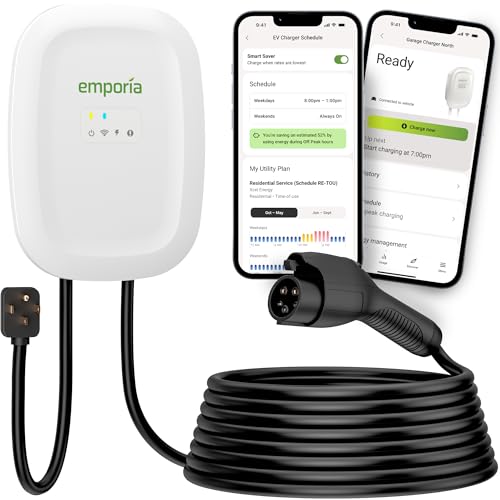
List of the Best EV Chargers:




Understanding Electric Vehicle Tax Credits and Incentives
The electric vehicle tax credit landscape represents one of the most complex but financially rewarding aspects of EV ownership in the United States. With federal incentives up to $7,500 and additional state-level rebates sometimes exceeding $5,000, understanding these programs can significantly reduce the effective cost of electric vehicle ownership. This comprehensive guide will walk you through the intricacies of EV tax credits, eligibility requirements, income limits, vehicle qualifications, and strategic approaches to maximizing your savings while navigating the evolving regulatory environment.
The Inflation Reduction Act: A Transformative Policy Framework
Enacted in August 2022, the Inflation Reduction Act (IRA) fundamentally reshaped the electric vehicle tax credit system, introducing new requirements while expanding access to incentives. The legislation established two separate tax credits: the Clean Vehicle Credit for new vehicles (up to $7,500) and the Previously-Owned Clean Vehicles Credit for used vehicles (up to $4,000). These credits now incorporate critical domestic manufacturing requirements, including North American final assembly mandates and evolving battery component and critical mineral sourcing rules. Understanding these complex provisions is essential for determining eligibility and planning your EV purchase timeline.
Federal Clean Vehicle Credit: The $7,500 Opportunity
The federal Clean Vehicle Credit provides up to $7,500 for qualifying new electric vehicles, plug-in hybrids, and fuel cell vehicles. This credit comprises two components: $3,750 for vehicles meeting battery component requirements (with increasing percentages of battery components manufactured or assembled in North America) and $3,750 for vehicles meeting critical minerals requirements (with increasing percentages of critical minerals extracted or processed in the United States or countries with free trade agreements). The credit is non-refundable but can be carried forward to future tax years, and starting in 2024, eligible buyers can transfer the credit to the dealer for an immediate price reduction.
Income Eligibility: Understanding Modified Adjusted Gross Income Limits
The IRA introduced income caps that restrict eligibility for both new and used EV tax credits. For new vehicles, the modified adjusted gross income (MAGI) limits are $300,000 for married couples filing jointly, $225,000 for heads of household, and $150,000 for single filers and married individuals filing separately. For used vehicles, the limits are lower: $150,000 for married couples, $112,500 for heads of household, and $75,000 for single filers. These limits are based on the lesser of the current tax year or the preceding tax year, providing some flexibility for taxpayers with variable income. Importantly, MAGI includes most types of income and is calculated before most deductions, making it essential to consult with a tax professional if you're near these thresholds.
Vehicle Price Caps: MSRP Limitations by Vehicle Class
The legislation established maximum manufacturer's suggested retail price (MSRP) limits that vary by vehicle classification. For vans, sport utility vehicles, and pickup trucks, the MSRP cannot exceed $80,000. For all other vehicles (sedans, hatchbacks, wagons, etc.), the MSRP cannot exceed $55,000. These limits apply to the base vehicle price including manufacturer-installed options but excluding destination charges, optional accessories added by the dealer, and taxes. The classification of vehicles as SUVs versus sedans follows EPA Fuel Economy Label standards, which sometimes differ from marketing classifications, creating potential confusion that requires careful verification.
Battery Capacity Requirements and Plug-in Hybrid Considerations
To qualify for the federal Clean Vehicle Credit, new plug-in electric vehicles must have a battery capacity of at least 7 kilowatt-hours. Plug-in hybrid electric vehicles (PHEVs) must meet this threshold while also demonstrating all-electric ranges that vary by model year. The credit amount for PHEVs is the lesser of $7,500 or the vehicle's battery capacity multiplied by $417, with a minimum credit of $2,500. This calculation method means many PHEVs receive credits between $3,750 and $7,500 based on their specific battery specifications. Fuel cell vehicles qualify for the full $7,500 credit regardless of energy capacity, reflecting their different technological characteristics.
Previously-Owned Clean Vehicles Credit: The $4,000 Used EV Incentive
The IRA created a separate credit for used electric vehicles, providing 30% of the sale price up to a maximum of $4,000. To qualify, used vehicles must be at least two model years old, purchased from a licensed dealer for $25,000 or less, and not have been transferred to a qualified buyer after August 16, 2022. The vehicle must be for personal use, not for resale, and the buyer cannot be the original owner or claimed the new vehicle credit for the same vehicle. This credit is particularly valuable for making electric vehicles accessible to lower-income households and represents a significant opportunity in the growing used EV market.
Domestic Manufacturing Requirements: North American Assembly Mandates
Perhaps the most significant change introduced by the IRA is the requirement that qualifying vehicles undergo final assembly in North America. This includes the United States, Canada, and Mexico. The Department of Energy maintains a comprehensive list of vehicles that meet this requirement, which is subject to change as manufacturers adjust their production locations. Additionally, vehicles must not contain any battery components manufactured or assembled by a "foreign entity of concern" (starting in 2024) and cannot contain critical minerals extracted, processed, or recycled by such entities (starting in 2025). These provisions aim to develop domestic supply chains while reducing dependence on geopolitical competitors.
State-Level Incentives: Beyond Federal Credits
| State | Rebate Amount | Income Limits | Additional Benefits |
|---|---|---|---|
| California | Up to $7,500 | 400% of federal poverty level | HOV lane access, utility discounts |
| New York | Up to $2,000 | $300,000 (joint) | Charger incentives, reduced tolls |
| Colorado | Up to $5,000 | None | Additional $2,500 for income-qualified |
| New Jersey | Up to $4,000 | None | No sales tax on ZEVs |
| Massachusetts | Up to $3,500 | $150,000 (single) | Additional MOR-EV incentives |
| Washington | Sales tax exemption | None | Up to $20,000 vehicle value |
Lease Versus Purchase: Different Incentive Structures
Leasing an electric vehicle presents distinct incentive opportunities compared to purchasing. While individual lessees cannot claim the federal Clean Vehicle Credit (the leasing company claims it as the vehicle owner), manufacturers often pass these savings through as reduced lease payments or capitalized cost reductions. Importantly, leased vehicles are not subject to the same domestic manufacturing requirements, MSRP caps, or income limits as purchased vehicles, making certain high-end or imported EVs more accessible through leasing. Some states offer additional incentives specifically for leases, and the commercial nature of fleet purchases (which includes leases) qualifies for different credits under Section 45W of the tax code.
Commercial Vehicle Credits: Section 45W for Businesses
Businesses, including sole proprietorships, partnerships, and corporations, can qualify for the Commercial Clean Vehicle Credit under Section 45W. This credit provides the lesser of 15% of the vehicle's basis (30% for non-gas/diesel vehicles) or the incremental cost of the vehicle compared to a gasoline-powered counterpart, with maximum credits of $7,500 for vehicles under 14,000 pounds and $40,000 for heavier vehicles. Unlike the personal vehicle credit, the commercial credit has no domestic manufacturing requirements, MSRP caps, or income limits, making it particularly valuable for business fleets and self-employed individuals using vehicles for business purposes.
Charging Infrastructure Credits: 30C Alternative Fuel Vehicle Refueling Property Credit
In addition to vehicle credits, the IRA extended and modified the Alternative Fuel Vehicle Refueling Property Credit (30C) through 2032. This credit covers 30% of the cost of installing EV charging equipment, up to $1,000 for residential installations and $100,000 per item for commercial installations. Starting in 2023, the credit increased to 30% and expanded to include bidirectional charging equipment. There are additional bonuses for installations in low-income or non-urban areas. This credit can be combined with state and utility incentives, potentially covering most or all of home charger installation costs.
Timing Considerations: Delivery Date and Tax Year Planning
The timing of your EV purchase or lease can significantly impact credit eligibility. The vehicle must be placed in service (delivered to and accepted by the buyer) during the tax year for which the credit is claimed. For vehicles delivered in December, ensure the transaction completes with sufficient time for title transfer and registration. The IRS considers the date the vehicle is delivered to the buyer as the in-service date. Tax planning becomes crucial for buyers near income thresholds, as using the lower MAGI from either the current or prior year provides strategic flexibility. Consider consulting a tax professional if your income fluctuates near the limits.
Documentation Requirements: Proving Eligibility
Claiming EV tax credits requires specific documentation to support eligibility. This includes the Vehicle Identification Number (VIN), copies of purchase or lease agreements showing sale price and date, manufacturer certification of eligibility (often available on dealer documents or manufacturer websites), and proof of North American assembly. The IRS Form 8936 (Qualified Plug-in Electric Drive Motor Vehicle Credit) must be completed and attached to your tax return. For used vehicles, additional documentation includes the seller's name and taxpayer identification number, along with certification that the vehicle qualifies for the previously-owned clean vehicle credit.
Phase-Out Provisions and Sunset Dates
Unlike previous EV tax credits that phased out by manufacturer sales volume, the IRA credits have no manufacturer caps but include provisions for reducing or eliminating credits if battery components or critical minerals come from foreign entities of concern. The commercial vehicle credit phases down beginning in 2033 and expires after 2032. The charging infrastructure credit phases down beginning in 2033 as well. These sunset provisions create windows of opportunity for maximizing credits, particularly as domestic supply chains develop and manufacturing requirements become more stringent over time.
Strategic Considerations for Maximizing Incentives
To maximize EV incentives, consider these strategies: Coordinate federal and state credits where possible (some states reduce their rebate if you claim federal credit), time your purchase to qualify for both current-year and prior-year income limits if near thresholds, consider leasing for vehicles that don't meet domestic requirements, explore commercial credits if using the vehicle for business, install charging equipment in the same year to claim both vehicle and infrastructure credits, and research local utility incentives that may stack with tax credits. Some municipalities offer additional perks like free parking, reduced registration fees, or property tax exemptions.
Frequently Asked Questions
How do I know if a specific vehicle qualifies for the federal tax credit?
The IRS maintains a list of qualifying vehicles on its website, updated regularly as new models are certified. Additionally, the Department of Energy's Fuel Economy website includes filters for tax credit eligibility. Manufacturers typically provide this information to dealers and on their consumer websites. For the most accurate information, check the VIN-specific eligibility using tools provided by some manufacturers or consult directly with the dealer who should have current eligibility documentation.
Can I claim the tax credit if I don't owe $7,500 in taxes?
The federal Clean Vehicle Credit is non-refundable, meaning it can reduce your tax liability to zero but won't result in a refund if your tax liability is less than the credit amount. However, any unused portion can be carried forward to future tax years. Starting in 2024, buyers can transfer the credit to the dealer at the point of sale, effectively receiving the credit as a down payment regardless of their tax liability, though income verification will still be required.
What happens if I buy an EV that qualifies for the credit but my income exceeds the limits?
If your modified adjusted gross income exceeds the limits in both the year of purchase and the preceding year, you are ineligible for the credit. The IRS may recapture the credit if claimed in error, requiring repayment with potential penalties and interest. It's crucial to accurately calculate your MAGI and consult a tax professional if you're uncertain about your eligibility. Some taxpayers near the thresholds may benefit from income-reduction strategies in the year of purchase.
Do I need to itemize deductions to claim the EV tax credit?
No, the EV tax credit is claimed as a non-refundable personal tax credit on Form 8936, which is separate from itemized deductions. You can claim the credit whether you take the standard deduction or itemize. The credit reduces your total tax liability dollar-for-dollar after calculating your tax based on taxable income.
How do state incentives interact with federal credits?
Most state incentives are separate from and can be combined with federal credits, though some states reduce their rebate amount if you claim the federal credit. California's Clean Vehicle Rebate Project, for example, allows stacking with the federal credit. Other states like Colorado provide additional incentives specifically for lower-income households regardless of federal credit claims. Always check your specific state's program rules, as they vary significantly in terms of stacking provisions, income limits, and vehicle requirements.
Can I claim the credit for a used EV I buy from a private seller?
No, the previously-owned clean vehicle credit requires purchase from a licensed dealer. Private party sales do not qualify. The dealer must provide specific documentation and report the sale to the IRS. This requirement aims to ensure proper verification of vehicle eligibility and prevent fraud while supporting the professional used car market.
What if I buy an EV but then my income increases above the limit?
The income limits are based on the lesser of your modified adjusted gross income for the year you take delivery of the vehicle or the previous year. If your income increases in the delivery year but was below the limit in the prior year, you still qualify. However, if you exceed the limit in both years, you cannot claim the credit. There's no recapture provision if your income increases in years after claiming the credit, only if you were ineligible in the year of purchase.
Are there incentives for electric motorcycles or electric bicycles?
The federal Clean Vehicle Credit does not currently apply to electric motorcycles, though some states offer separate incentives. Electric bicycles may qualify for local incentives in certain municipalities but not federal credits. Commercial electric motorcycles (two- or three-wheeled vehicles with at least 2.5 kWh battery capacity) may qualify for the commercial clean vehicle credit under certain conditions. Always check current federal and state guidelines as incentive programs frequently evolve.
How does the tax credit work for business-owned EVs?
Businesses can claim the Commercial Clean Vehicle Credit (Section 45W) for qualified vehicles placed in service during the tax year. This credit has different calculation methods and higher limits for heavy vehicles. Businesses can also depreciate EVs under normal depreciation rules or potentially use bonus depreciation. Self-employed individuals can claim the commercial credit for vehicles used primarily for business, though personal use portions must be allocated appropriately.
What documentation should I keep for my tax records?
Maintain copies of all purchase documents including the bill of sale, buyer's order, and financing agreement; the manufacturer's certification statement; proof of delivery date; Vehicle Identification Number (VIN); documentation of North American assembly; and any state rebate applications. For used vehicles, also keep the seller's information and certification of eligibility. Retain these documents for at least three years after filing your tax return claiming the credit, though seven years is safer given the potential for IRS examination.